
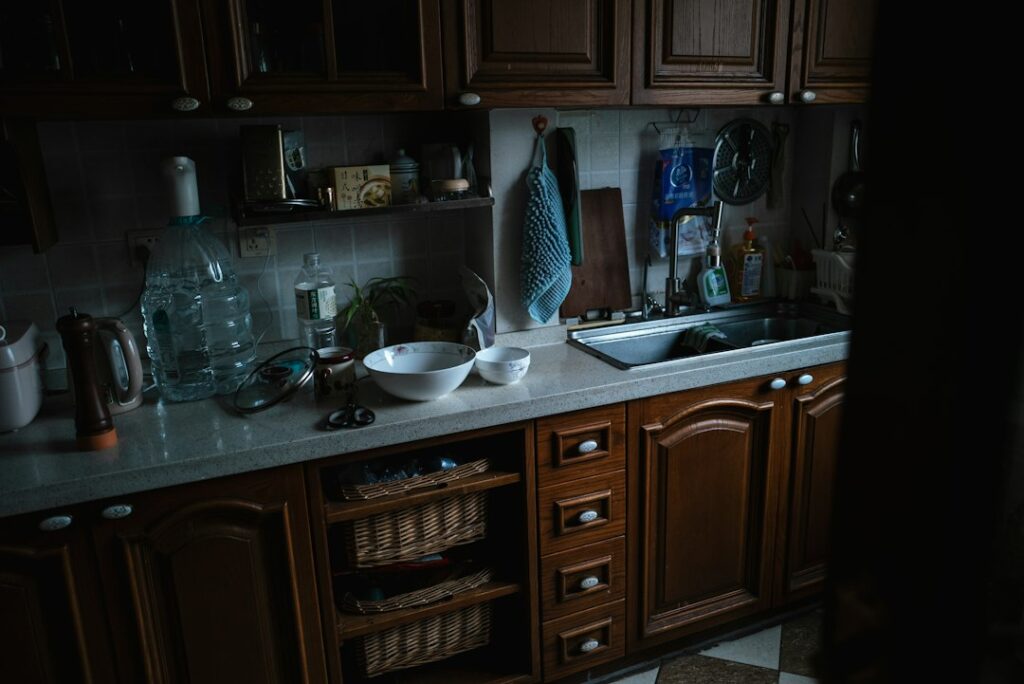
Rats and mice often leave evidence before people actually see them. Droppings, gnaw marks, noises, damaged packaging, and small entry gaps can all reveal activity inside a property. Recognizing those signs early can help prevent rodents from becoming established in kitchens, ceilings, storage areas, service rooms, or other protected spaces.
This guide explains seven warning signs of rats or mice, where to inspect, how rodents enter buildings, and when professional rodent control is appropriate. For direct service information, visit our rodent control page.
7 Signs of Rats or Mice Before You See One
1. Droppings in Hidden or Food-Storage Areas
Droppings are one of the most common early clues. Check behind appliances, inside cabinets, along wall edges, in storage rooms, and near food. Do not handle suspected rodent waste casually; follow appropriate cleanup guidance and avoid stirring contaminated dust.
2. Gnaw Marks on Packaging, Wood or Other Materials
Rodents gnaw frequently. Damage to food packaging, cartons, wood, insulation, or other materials can indicate activity, especially when marks appear repeatedly in the same area.

3. Scratching or Movement Sounds at Night
Scratching, rustling, or movement inside ceilings, wall voids, storage rooms, or behind cabinets can be a sign of rodents. Note when and where the sound occurs so an inspection can focus on likely travel routes.
4. Damaged Food Packaging
Small holes, torn corners, or gnawing on food packages can indicate rodents have reached a pantry or storage area. Move exposed food into secure containers and inspect the surrounding shelves and wall edges.
5. Nesting Material in Quiet Areas
Shredded paper, fabric, insulation, or other soft material gathered in a protected location can indicate a nesting site. Storage rooms, ceilings, cupboards, and spaces behind equipment are worth checking.
6. Greasy Marks Along Regular Travel Routes
Repeated rodent movement along walls or narrow routes can sometimes leave smudging or marks. These are more meaningful when found together with droppings, gnawing, sounds, or other evidence.
7. Small Gaps Around Pipes, Doors or Utility Lines
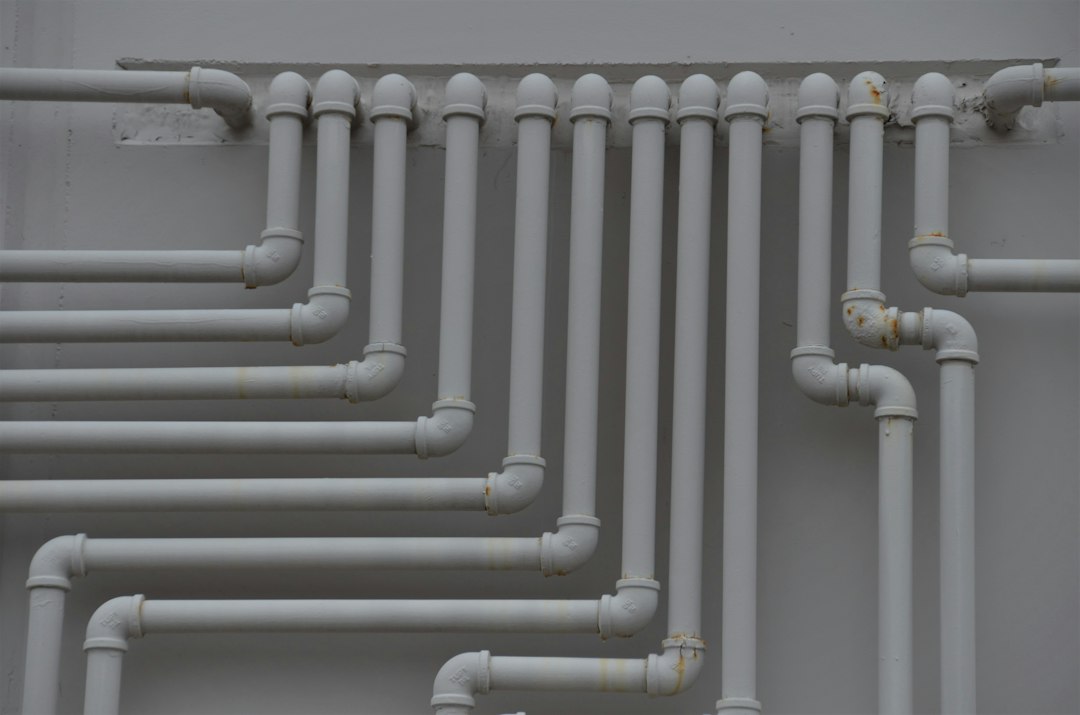
Rodents can enter through surprisingly small openings. The CDC’s rodent-prevention guidance recommends inspecting inside and outside for holes around doors, windows, pipes, vents, utility lines, foundations, and other penetrations.
Why Rodent Activity Should Be Addressed Early
The CDC states that rodents can carry diseases and recommends preventing infestations by reducing access to food, water, and shelter. Rodents can also damage packaging, stored materials, insulation, and cables, so early detection is valuable even before a rat or mouse is seen directly.
Where to Inspect for Rats and Mice
- Behind refrigerators, cookers, and other appliances.
- Inside kitchen and storage cabinets.
- Along wall-floor junctions and behind stored boxes.
- Around plumbing, cable, electrical, and utility penetrations.
- In ceilings, roof spaces, service rooms, garages, and storage areas.
- Around exterior doors, vents, foundations, and waste-storage areas.

How to Reduce Rodent Entry and Attraction
Store food and animal feed in secure containers, clean spills promptly, keep waste covered, reduce clutter, correct water leaks, and inspect practical entry points around the building. Exclusion matters because removing one rodent without closing the route can allow new animals to enter later.
The U.S. Environmental Protection Agency’s rodent resources also cover rodent prevention, control options, pesticide safety, and when to use professional help. Any pesticide or rodent-control product should be used only according to its legal label and local requirements.
When Professional Rodent Control Makes Sense
Professional help is particularly useful when droppings or gnaw marks continue, noises are coming from inaccessible spaces, entry points are difficult to locate, food-storage areas are affected, or activity returns after basic prevention steps. A structured inspection can identify routes, nesting areas, and conditions that need correction.
Rodents are one of several pests covered in our broader guide to common household pests in Saudi Arabia. For homes with multiple pest problems, our residential pest control service provides a wider inspection-led approach.
Frequently Asked Questions About Rats and Mice
Can you have rodents without seeing them?
Yes. Droppings, gnawing, sounds, nesting material, and damaged food packaging often appear before a person sees a rat or mouse directly.
Where do rodents usually enter a house?
Common routes include gaps around doors, vents, roofs, utility lines, plumbing penetrations, foundations, and other openings that connect indoor spaces with the exterior.
Why do rodents keep coming back?
Recurring activity usually means food, water, shelter, or an entry route is still available. Long-term control therefore combines removal with sanitation and exclusion.
Trusted Sources
- CDC: Controlling Wild Rodent Infestations
- CDC: How to Seal Up to Prevent Rodents
- EPA: Controlling Rodents and Regulating Rodenticides
Found Signs of Rats or Mice?
If you are finding droppings, gnaw marks, noises, damaged packaging, or possible entry points, contact Flow Motion Pest Control for rodent inspection and control in Saudi Arabia.