
If you are seeing insects or rodents around your property, identifying the problem early can make pest control much easier. Many of the most common household pests in Saudi Arabia are attracted by the same basic conditions: accessible food, water, shelter, gaps around the building, and undisturbed hiding places. The important part is not simply removing the pest you can see, but understanding why it is present and what may allow it to return.
This guide explains seven pests commonly found in homes and residential properties, the warning signs to look for, practical prevention steps, and when it is sensible to arrange a professional inspection. For a complete overview of available treatments, visit our pest control services in Saudi Arabia.
Why Pest Problems Can Develop in Saudi Homes
Pest activity is rarely caused by one factor alone. Warm outdoor conditions can push some pests toward cooler or more protected indoor spaces, while kitchens, bathrooms, gardens, storage areas, drainage points, and utility openings can provide food, moisture, or shelter. Even a clean property can develop a pest problem when insects or rodents find a suitable entry point.
That is why effective pest management should begin with identification and inspection. Instead of treating every pest the same way, the goal is to understand the species, the affected area, the likely entry points, and the conditions supporting the activity. FlowMotion follows this inspection-led approach across our residential pest control services.
1. Cockroaches
Cockroaches are one of the most noticeable household pests because they often appear in kitchens, bathrooms, drainage areas, cupboards, and other places where food or moisture is available. Seeing one cockroach does not always reveal the scale of the problem because much of their activity may happen in hidden areas.
Common signs of cockroach activity
Watch for repeated nighttime sightings, small dark specks in sheltered areas, egg cases, unusual activity around drains, or cockroaches disappearing into cracks and gaps when lights are switched on.
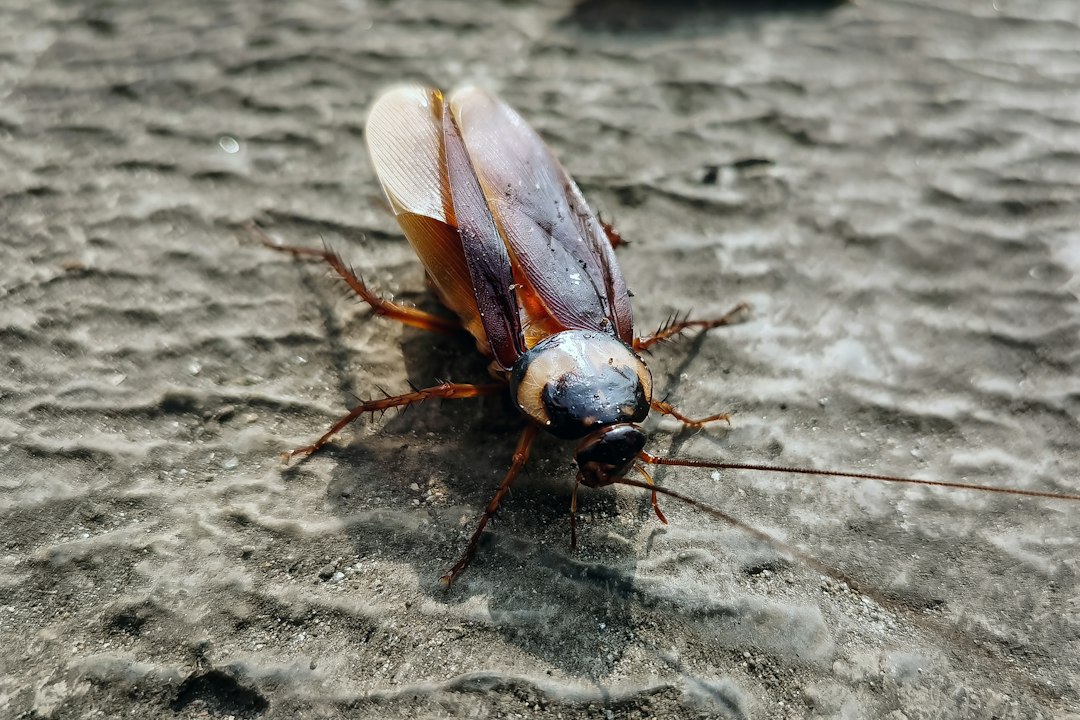
Photo source: Unsplash.
How to reduce the risk
Keep food in sealed containers, clean spills and crumbs promptly, avoid leaving pet food out for long periods, reduce moisture around sinks and bathrooms, and seal gaps around pipes or cabinets where possible. If cockroaches keep returning, a professional inspection can help locate the hiding areas and determine the right treatment plan. Learn more about our خدمة مكافحة الصراصير والنمل.
2. Ants
Ants can enter through very small gaps and often create visible trails between a food source and their nesting area. Kitchens, pantry areas, balconies, gardens, doors, windows, and wall penetrations can all become entry routes.
Common signs of an ant problem
A steady trail of ants, repeated activity around the same crack or opening, or ants returning soon after cleaning usually suggests that the source of the problem is still active nearby.
For prevention, wipe food residues from counters, store sweet foods securely, empty waste regularly, trim vegetation that touches the building, and seal accessible gaps around doors, windows, pipes, and utility lines. Persistent colonies may require a targeted professional approach rather than repeated surface cleaning.
3. Bed Bugs
Bed bugs are small pests that can hide in mattresses, bed frames, upholstered furniture, luggage, and narrow cracks close to sleeping areas. They can be difficult to identify because they spend much of their time concealed.
Signs worth checking
Possible warning signs include finding small insects in mattress seams or bed frames, shed skins, small dark spotting near hiding areas, or recurring unexplained bites or irritation after sleeping. These signs can have other causes, so confirmation is important before assuming bed bugs are present.
If you suspect an infestation, avoid moving bedding or furniture unnecessarily between rooms because that can spread the problem. A professional inspection is usually the clearest way to confirm the pest and plan the next step. See our bed bug treatment service for more information.
4. Termites
Termites are particularly important to identify early because their activity can remain hidden inside or around wood and structural materials. Property owners may first notice indirect signs rather than the insects themselves.
Possible termite warning signs
Look for mud-like tubes on walls or foundations, discarded wings near windows or doors, timber that sounds unusually hollow when checked, or visible deterioration around wooden frames and fittings. None of these signs should be treated as proof on its own, but they are good reasons to request an inspection.
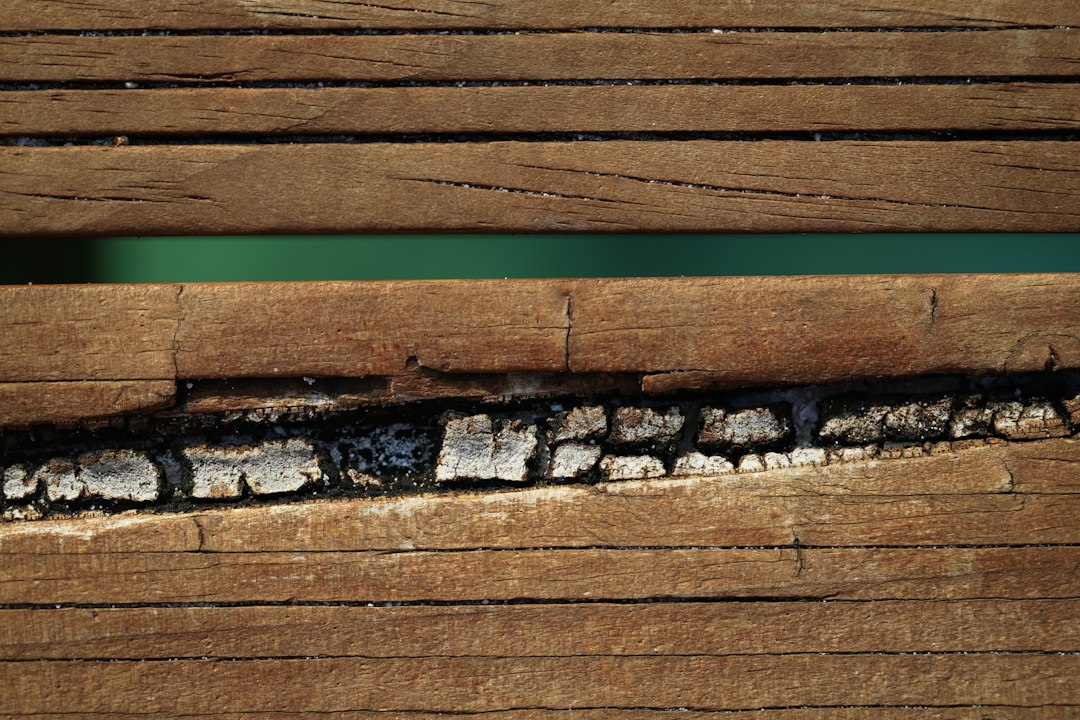
Photo source: Unsplash.
Keeping timber and stored materials away from persistent moisture, repairing leaks, improving drainage around the property, and arranging an inspection when suspicious damage appears can reduce the chance of an unnoticed problem becoming more serious. Read about our termite control service.
5. Rodents
Rats and mice can enter buildings through surprisingly small openings and may seek shelter in ceilings, storage areas, kitchens, service rooms, gardens, or spaces around utility connections. Early identification is important because rodents can damage stored materials, packaging, insulation, and cables.
Signs of rodent activity
Common clues include droppings, gnaw marks, disturbed food packaging, scratching noises in walls or ceilings, nesting material, or repeated sightings around waste and storage areas.
Keep food and animal feed in secure containers, avoid leaving waste exposed, reduce clutter in storage areas, and close accessible gaps around doors, pipes, vents, and service penetrations. When activity is repeated or the entry point is difficult to locate, our rodent control service can provide a structured inspection and control plan.
6. Mosquitoes
Mosquito activity can increase around gardens, shaded outdoor areas, water features, poorly drained spaces, or containers where water remains standing. The best household prevention usually starts with removing avoidable water accumulation and limiting easy access indoors.
Check plant trays, buckets, outdoor containers, drainage areas, and other places where water can collect. Keep window and door screens in good condition and repair gaps that allow flying insects indoors. For recurring flying-insect activity, a wider property inspection may be appropriate under a general pest control plan.
7. Flies
Flies are usually associated with accessible food, waste, organic material, drainage points, or doors and windows that remain open for long periods. A sudden increase in flies often means there is a nearby source that should be identified rather than simply dealing with individual insects.
Use covered waste bins, clean food preparation areas, remove spoiled food promptly, maintain drains, and reduce open access through doors and windows. If fly activity continues after sanitation and access points have been addressed, an inspection can help identify a source that is not immediately visible.
What to Do When You Notice Pest Activity
1. Identify what you are actually seeing
Different pests require different control strategies. Take note of where the activity occurs, what time it is most noticeable, and any signs such as droppings, trails, wood damage, or entry points. A clear description can make professional identification faster.
2. Remove easy food and moisture sources
Clean spills, store food securely, empty waste, repair leaks, and reduce unnecessary standing water. These steps do not replace treatment when an infestation already exists, but they make the property less attractive to many pests.
3. Block accessible entry points
Inspect gaps around doors, windows, pipe openings, utility lines, vents, and external walls. Sealing practical entry points is an important part of long-term prevention, especially for ants, cockroaches, and rodents.
4. Arrange an inspection when the problem persists
If pests keep returning, appear in several areas, or show signs of an established infestation, professional inspection can help determine the source and extent of the activity. This is especially important for termites, bed bugs, rodents, and persistent cockroach infestations.
When Should You Call a Professional Pest Control Company?
Professional help is worth considering when you cannot confidently identify the pest, the activity keeps returning, several rooms are affected, you suspect termites or bed bugs, rodents are entering occupied areas, or the problem is affecting a business, shared building, or facility.
A professional service should look beyond the visible pest. At FlowMotion, our approach starts with identifying the pest and affected areas, reviewing contributing conditions, and selecting a plan suited to the property. You can learn more about our company and approach on the About FlowMotion Pest Control page.
Why Inspection-Led Pest Management Matters
Repeatedly treating only the insects or rodents you can see may leave the underlying cause untouched. Inspection-led pest management focuses on the full picture: the pest species, hiding areas, entry routes, food and moisture sources, sanitation conditions, and the parts of the property where activity is concentrated.
This approach helps create a more targeted plan and gives property owners practical steps that can reduce the conditions supporting future pest activity. It is also the reason a good pest-control plan often combines professional service with prevention and follow-up rather than relying on a one-time response.
الأسئلة الشائعة
What are the most common household pests in Saudi Arabia?
Common residential pest problems include cockroaches, ants, bed bugs, termites, rodents, mosquitoes, and flies. The exact mix can vary by property type, location, season, moisture conditions, and surrounding environment.
Does seeing one pest mean I have an infestation?
Not always. A single insect may have entered accidentally. Repeated sightings, activity in several locations, droppings, nesting signs, damage, egg cases, or clear trails make an established problem more likely and justify closer inspection.
How can I prevent pests without relying on repeated treatments?
Focus on sanitation, food storage, moisture control, waste management, property maintenance, and sealing practical entry points. These measures address the conditions many pests need to survive and can support any professional control plan.
When is a pest inspection especially important?
An inspection is particularly valuable for suspected termites, bed bugs, rodents, recurring cockroach activity, unexplained property damage, or any pest problem that continues after basic prevention steps have been taken.
Does FlowMotion provide pest control for homes in Saudi Arabia?
Yes. FlowMotion provides professional pest management for residential, commercial, and facility environments in Saudi Arabia. Our services include general pest control, residential pest control, bed bug treatment, termite control, rodent control, and cockroach and ant control.
Need Help Identifying a Pest Problem?
If you are unsure what pest you are dealing with or the activity keeps returning, the next useful step is a proper inspection. Contact FlowMotion Pest Control to discuss the signs you are seeing and arrange the appropriate service for your property.